
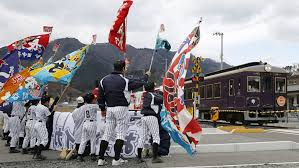
When an earthquake strikes Japan, it rarely becomes just another news headline. The country’s geography, preparedness, and high population density turn every seismic event into a moment of global attention. Whether it is a mild tremor or a major quake with aftershocks, Japan’s seismic story always reveals something deeper—how a highly developed nation continues adapting to one of Earth’s most unpredictable natural forces. This article explores the causes, consequences, emergency response mechanisms, and long-term implications of a Japan earthquake, providing both context and clarity for readers seeking reliable information.
Why Japan Is One of the World’s Most Earthquake-Prone Countries
Japan sits at the meeting point of four major tectonic plates—the Pacific, Philippine Sea, Eurasian, and North American plates. These plates grind, clash, and subduct beneath one another, creating intense seismic activity.
Key Geological Factors
- Pacific Ring of Fire: Japan lies squarely within this zone, known for frequent earthquakes and volcanic eruptions.
- Deep subduction zones: These zones produce some of the most powerful quakes on record.
- Fault line networks: Hundreds of active fault lines run beneath the archipelago.
This complex geological reality explains why Japan experiences over 1,500 earthquakes every year, most too small for residents to feel. But when a major quake hits, the consequences can ripple far beyond the epicenter.
The Human and Economic Impact of Major Japan Earthquakes
The severity of an earthquake’s impact depends on magnitude, depth, and location. Coastal quakes raise fears of tsunamis, while inland quakes increase the risk of landslides and infrastructure collapse.
Effects on Communities and Daily Life
- Displacement of residents due to damaged homes and unsafe structures
- Transportation disruption, including halted train lines, closed highways, and grounded flights
- School and workplace closures as buildings undergo safety inspections
- Power outages and water supply interruption, especially in rural regions
Japan’s modern construction standards significantly reduce casualties compared to many other countries. Still, the emotional and psychological strain on residents—especially during nighttime quakes or prolonged aftershocks—remains profound.
Economic Consequences
Earthquakes can lead to:
- Factory shutdowns
- Supply chain delays
- Increased government spending on recovery and reconstruction
- Short-term impacts on tourism
Major events, such as the 2011 Tōhoku earthquake, demonstrated how a single disaster can affect global manufacturing networks, particularly in the automotive and electronics sectors.
How Japan Responds: Emergency Protocols and Rapid Mobilization
Japan’s emergency response system is widely regarded as one of the most sophisticated in the world. Years of experience, investment, and innovation have shaped a highly coordinated environment for disaster management.
Early Warning Systems
Japan operates one of the fastest Earthquake Early Warning (EEW) systems globally. It detects initial seismic waves and sends alerts through:
- Smartphone notifications
- TV and radio broadcasts
- Public announcement speakers
- Train and industrial shutdown systems
This early warning—sometimes only seconds long—can save lives by allowing people to take cover before the stronger shaking begins.
Local and National Response
When a major quake occurs, Japan Meteorological Agency (JMA) immediately assesses:
- Magnitude
- Intensity
- Tsunami risk
- Expected aftershock activity
Local authorities then activate shelters, coordinate evacuations, and deploy emergency personnel. Meanwhile, the national government mobilizes the Self-Defense Forces (SDF) for search-and-rescue missions.
Infrastructure Built to Withstand Earthquakes
Japan’s modern buildings rarely collapse during earthquakes thanks to decades of engineering innovation. The country enforces some of the strictest seismic building codes in the world.
Core Earthquake-Resistant Technologies
- Base isolation systems: Buildings are placed on flexible layers that absorb seismic energy.
- Vibration control devices: Dampers disperse shock waves.
- Flexible steel structures: Designed to bend without breaking.
- Automatic gas shutoff mechanisms in homes and commercial buildings.
These innovations mean that even during high-magnitude earthquakes, skyscrapers sway but remain structurally sound.
Lifeline Infrastructure
Japan also invests heavily in safeguarding:
- Bridges and tunnels
- High-speed rail lines (Shinkansen)
- Power plants, including nuclear facilities
- Coastal seawalls and tsunami barriers
Continuous updates ensure these systems evolve with new scientific findings and lessons from past disasters.
Tsunami Threat: The Secondary Disaster Japan Fears Most
While earthquakes alone can be devastating, tsunamis pose an even greater risk. A powerful undersea quake can trigger massive waves capable of wiping out communities within minutes.
How Japan Mitigates Tsunami Risk
- Coastal sirens that activate instantly after a tsunami warning
- Detailed evacuation routes posted in all coastal towns
- High-ground evacuation towers, particularly in low-lying regions
- School programs that teach children how to evacuate safely
Japan’s public awareness of tsunami safety is extremely high, often credited with reducing casualties during coastal disasters.
The Role of Technology and Innovation in Disaster Preparedness
Japan continues to push boundaries in earthquake prediction research, even though precise forecasting remains scientifically impossible.
Modern Innovations
- AI-based seismic analysis, helping researchers identify patterns
- Drones for rapid assessment of damaged zones
- Robotics for search-and-rescue missions
- Smartphone apps giving real-time safety instructions
These technologies enhance situational awareness and help emergency teams respond more effectively. For those interested in the latest developments in this field, more information can be found at Mega888.
How Communities Rebuild After a Japan Earthquake
Recovery is a multi-stage process that can take months or years depending on the scale of damage.
Short-Term Recovery
- Temporary shelters open in public schools or gymnasiums
- Distribution of water, food, and blankets
- Psychological support services for traumatized residents
- Continued monitoring for landslides and aftershocks
Long-Term Reconstruction
Local governments partner with national agencies to:
- Reconstruct homes with stronger seismic standards
- Repair transportation networks
- Revitalize local businesses
- Provide financial aid to affected families and companies
Japan’s reconstruction philosophy focuses on “build back better”, not simply replace what was lost.
What Travelers Should Know About Earthquakes in Japan
Tourists often worry about earthquakes, especially when visiting major cities like Tokyo, Osaka, or Sapporo.
Practical Safety Advice
- Familiarize yourself with emergency exits in hotels and train stations
- Learn basic earthquake safety: drop, cover, and hold on
- Follow instructions from authorities instantly
- Keep a small travel emergency kit with water, snacks, and a portable charger
Japan’s safety infrastructure ensures visitors are well-protected even during unexpected tremors.
FAQs About Japan Earthquakes
Why does Japan experience so many earthquakes?
Because it sits at the intersection of multiple tectonic plates, making seismic activity a constant part of its geography.
Can scientists predict earthquakes in Japan?
No exact prediction is possible, but Japan uses sophisticated monitoring systems to detect early signs of seismic movement.
Is Japan safe to visit despite frequent earthquakes?
Yes. Japan’s strict building codes, alert systems, and emergency protocols make it one of the safest countries for dealing with earthquakes.
What should I do during an earthquake in Japan?
Take cover under sturdy furniture, protect your head and neck, and stay indoors until shaking stops.
Conclusion: A Nation That Lives Prepared
Japan’s relationship with earthquakes is shaped by resilience, scientific advancement, and a cultural emphasis on preparedness. The country continues to demonstrate that while earthquakes cannot be stopped, their impact can be minimized with the right systems, infrastructure, and public awareness.
If you live in or plan to visit Japan, staying informed about earthquake safety is the most important step toward protecting yourself and your loved ones. Knowledge—and preparation—can save lives.