
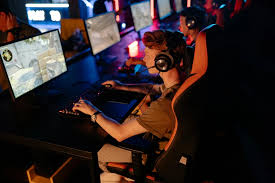
The gaming industry has expanded far beyond a hobby—today, millions of players aspire to build careers as streamers, esports athletes, content creators, analysts, coaches, or professional competitors. Whether you’re passionate about shooters, MOBAs, mobile esports, or strategic platforms like qq poker or online formats such as pkv games, turning your gaming interest into a career requires discipline, planning, and the right approach.
This guide explains how casual players can begin their journey into competitive gaming and gradually develop a sustainable gaming career.
1. Understand Your Gaming Strengths
Every player has strengths, whether it’s mechanical skill, strategy, communication, or analytical thinking.
Identify your core strengths by asking:
- Do you excel in fast-paced shooters?
- Are you strong in strategy or decision-making?
- Do you enjoy team-based coordination?
- Are you better at solo competitive play?
Knowing your strengths helps you choose the right games and roles.
2. Choose the Right Game to Specialize In
You can’t build a professional gaming career by becoming average at many games.
Instead, pick one primary game to master.
How to choose:
- Select a game with a strong and stable esports ecosystem
- Choose a genre you enjoy long-term
- Consider platforms you play best on (PC, console, or mobile)
Popular competitive games include Valorant, CS2, League of Legends, Mobile Legends, PUBG Mobile, and EA FC.
3. Invest Time in Learning Core Skills
Competitive gaming requires deliberate and structured practice—not just casual gameplay.
Focus on improving:
- Reflexes and aim
- Game sense
- Map awareness
- Strategy and positioning
- Team communication
- Decision-making under pressure
Use training modes, aim trainers, and replay reviews to accelerate your progress.
4. Optimize Your Setup
You don’t need expensive equipment, but a reliable setup helps performance.
Minimum recommendations:
- Stable internet connection
- Comfortable mouse, keyboard, or controller
- Low-latency headset
- Smooth monitor (60–144Hz recommended)
- Clean gaming environment
Even mobile gamers benefit from accessories like cooling fans and finger sleeves.
5. Watch and Learn from Professionals
Observation is one of the fastest ways to improve.
Study:
- Pro matches
- Tournament highlights
- Strategy breakdowns
- Role-specific tutorials
Analyze why professionals make certain decisions and incorporate those techniques into your gameplay.
6. Start Competing in Local or Online Tournaments
Entry-level tournaments help you understand real competition.
Platforms to start:
- In-game ranked modes
- Discord community tournaments
- Esports platforms (Faceit, Battlefy, Challengermode)
- Local gaming café competitions
These events teach pressure handling, teamwork, and competitive discipline.
7. Build Your Online Presence
A strong digital presence increases your chances of being noticed by teams and sponsors.
Ways to build visibility:
- Create a gaming username and brand
- Start streaming on YouTube or Twitch
- Share clips on social media
- Post achievements, highlights, and progress
- Engage with gaming communities
Consistency is key to growing your audience.
8. Join a Team or Gaming Community
Teams help you gain structure, practice regularly, and learn from others.
Joining a team provides:
- Scrim sessions (practice matches)
- Coaching and guidance
- Better competitive opportunities
- Networking within the esports ecosystem
Many players start in amateur or semi-pro teams before going pro.
9. Consider Coaching, Content Creation, or Analysis
A gaming career isn’t limited to being a professional player.
Other career paths include:
- Coach or analyst
- Content creator
- Streamer
- Tournament organizer
- Esports journalist
- Community manager
Some of the most successful gaming careers come from content creation rather than competition.
10. Maintain a Healthy Routine
Competitive gaming demands physical and mental stability.
Focus on:
- Regular sleep
- Hand and wrist exercises
- Balanced diet
- Short breaks during practice
- Managing stress and emotional health
A healthy lifestyle improves reaction time, focus, and endurance.
Final Thoughts
Building a gaming career is a long-term journey that requires dedication, practice, strategic decisions, and a commitment to continuous improvement. By choosing the right game, developing core skills, participating in tournaments, and building a strong online presence, casual players can transition into competitive gaming with confidence. The gaming industry is full of opportunities—whether as a pro player, content creator, or esports professional, your career can grow as far as your passion and effort take you.