
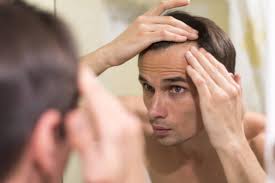
Hair loss is something many men experience but rarely talk about openly. Whether it’s a receding hairline, thinning at the crown, or finding more hair than usual on your pillow, the experience can be frustrating and confusing. Fortunately, not all hair loss is irreversible, and more importantly, everyday habits can significantly impact whether it slows down or worsens.
If you’re trying to prevent hair loss, the good news is that consistent care and smarter choices can help maintain scalp and hair health. This blog will explore science-backed habits that support stronger hair, how daily routines affect follicles, and what you can do right now to safeguard your hair.
Understanding Hair Loss: What’s Really Going On?
Before exploring prevention, it’s helpful to understand what causes hair to fall out in the first place. Hair loss in men can occur for various reasons, some genetic and others environmental. The most common type is androgenetic alopecia, which leads to a receding hairline and thinning crown. But stress, poor nutrition, and lifestyle choices can also accelerate the process.
What’s interesting is that many of these contributing factors are within our control. That means while you may not be able to change your DNA, you can make changes in your routine that encourage hair retention and healthier growth over time.
10 Everyday Habits That Help Prevent Hair Loss Naturally
Healthy hair doesn’t just come from good genes; it’s built through smart daily choices. From how you wash your hair to how you manage stress, small habits can make a big difference over time.
Here are 10 simple lifestyle habits that support stronger hair and a healthier scalp.
1. Keep Your Scalp Clean and Healthy
Why scalp health matters more than you think?
Your scalp is like the soil that supports the roots of a plant. If it’s unhealthy, inflamed, or clogged, hair growth will suffer. Dead skin cells, excess oil, and product buildup can suffocate hair follicles, leading to shedding.
How to care for your scalp daily
- Use a gentle, sulfate-free shampoo that doesn’t strip away natural oils.
- Avoid washing with hot water; lukewarm or cool water is less drying.
- Exfoliate your scalp once a week with a scalp scrub or soft brush.
- Gently massage your scalp during shampooing to increase blood flow.
Maintaining a clean, balanced scalp creates the right environment for hair to grow, thrive, and stay rooted longer.
2. Choose the Right Hair Products
Are your hair products helping or hurting?
Many men use styling gels, waxes, or heavy conditioners without realizing the potential harm that harsh chemicals can cause to their scalp. Alcohol-heavy products or those with synthetic fragrances can dry out the skin and disrupt the pH balance, leading to irritation and eventual hair loss.
Go for clean, lightweight formulas.
Look for products labeled as:
- Non-comedogenic: Won’t clog hair follicles.
- Fragrance-free or naturally scented: Reduces the risk of inflammation.
- Silicone-free: Prevents buildup on the scalp and hair shafts.
Simplifying your routine and switching to gentler alternatives is an easy yet powerful step in preventing unnecessary damage.
3. Feed Your Hair from the Inside Out
Nutrition plays a major role.
Hair is made primarily of keratin, a protein. That means your diet needs to support strong protein synthesis and deliver essential vitamins and minerals. Deficiencies in iron, vitamin D, B-complex vitamins (like biotin), and zinc have been linked to increased hair shedding.
Power foods for better hair
Add more of these to your plate:
- Eggs (rich in biotin and protein).
- Leafy greens (iron and folate).
- Nuts and seeds (zinc and healthy fats).
- Salmon (omega-3 fatty acids).
- Beans and lentils (plant protein and iron).
Consistency matters here. Hair grows slowly, so it may take several months of improved nutrition to see visible changes.
4. Reduce Stress Before It Hits Your Hair
How does stress cause hair loss?
Have you ever noticed more hair falling out during tough times? Stress triggers hormonal changes that push hair follicles into a resting phase, a condition known as telogen effluvium. This can lead to sudden shedding weeks after a stressful event.
Everyday habits to keep calm
You don’t have to become a meditation expert, but adopting daily stress-relieving habits can help:
- Take 10-minute walks during the day to reset your mind.
- Try using a deep breathing or guided meditation app before bed.
- Reduce screen time before sleep to improve rest.
- Journal or write down what’s on your mind each night.
By managing stress, you’re not just protecting your mental health; you’re giving your hair a better chance to grow uninterrupted.
5. Stay Active, But Watch the Sweat
Does working out help or hurt hair?
Exercise boosts circulation, including to your scalp, and helps regulate hormones, both great for your hair. However, sweaty workouts can cause buildup and irritation if you don’t rinse your hair properly afterward.
Post-workout tips for hair health
- Rinse or lightly shampoo your hair after intense workouts.
- Avoid wearing tight hats or helmets for too long, as they can trap sweat.
- Let your hair breathe after a workout instead of piling on product.
Finding the balance between staying fit and keeping your scalp clean is key.
6. Be Gentle with Your Hair
Everyday actions that cause breakage?
Are you brushing your hair too aggressively? Drying it roughly with a towel? Styling it the same way every day? These might seem minor, but over time, they stress hair strands and follicles, leading to weakening and eventual loss.
Small changes, big difference
- Use a wide-tooth comb instead of fine brushes.
- Let your hair air dry whenever possible.
- Alternate hairstyles to reduce repeated tension in the same areas.
- Avoid tugging or pulling when styling. Gentle hands preserve hair integrity.
Remember, hair isn’t indestructible. Treating it with care every day adds up.
7. Get Enough Sleep
Why does sleep impact your hairline?
Your body regenerates cells and balances hormones during deep sleep. When you’re sleep-deprived, stress levels rise, inflammation increases, and cell renewal slows down, all of which are bad news for hair growth.
How to improve your sleep routine
- Set a consistent bedtime even on weekends.
- Avoid caffeine in the afternoon and evening.
- Dim lights an hour before bed to help melatonin production.
- Use blackout curtains or a sleep mask to deepen sleep quality.
Even one extra hour of restful sleep each night can improve your overall health, including the condition of your hair.
8. Limit Heat and Chemical Exposure
Heat styling isn’t harmless.
Regularly blow-drying or straightening your hair can weaken the shaft and lead to breakage. Add in chemical dyes or perms, and you’re accelerating wear and tear.
Safer styling choices
- Use heat protectant sprays before blow-drying or styling.
- Air dry as much as possible.
- Choose natural dyes (like henna) over chemical-based ones.
- Give your hair “off” days without any product or heat.
Minimizing damage is better than trying to reverse it later.
9. Stay Hydrated All Day
Water supports healthy follicles.
Hair follicles need hydration to function properly. If you’re dehydrated, your scalp can become dry and flaky, and your strands more brittle and prone to shedding.
Simple hydration tips
- Carry a refillable water bottle and aim for 8–10 glasses a day.
- Eat water-rich foods like cucumbers, oranges, and melons.
- Limit caffeine and alcohol, as they can be dehydrating.
Better hydration supports healthier skin, scalp, and stronger hair strands.
10. Don’t Ignore Early Signs
Is your hairline changing?
The earlier you notice hair loss, the better your chances of slowing or even reversing it. Look for signs such as a widening part, increased shedding in the shower, or thinning at the temples.
When to take action
If something feels off, don’t wait. A proactive approach is your best ally. Whether it’s seeing a doctor, adjusting your habits, or exploring topical treatments, acting early gives you more options.
Prevention is much easier than regrowth. Catching it early often means the difference between mild and severe hair loss.
Conclusion
Preventing hair loss isn’t about one magic shampoo or superfood. It’s about the cumulative effect of daily habits, things you do every day without thinking. The goal is to build a routine that nourishes your scalp, strengthens your hair, and supports your overall well-being. Start small. Choose one or two of these habits to focus on this week.